The Ultimate Guide to Solo Backpacking and Minimalist Travel
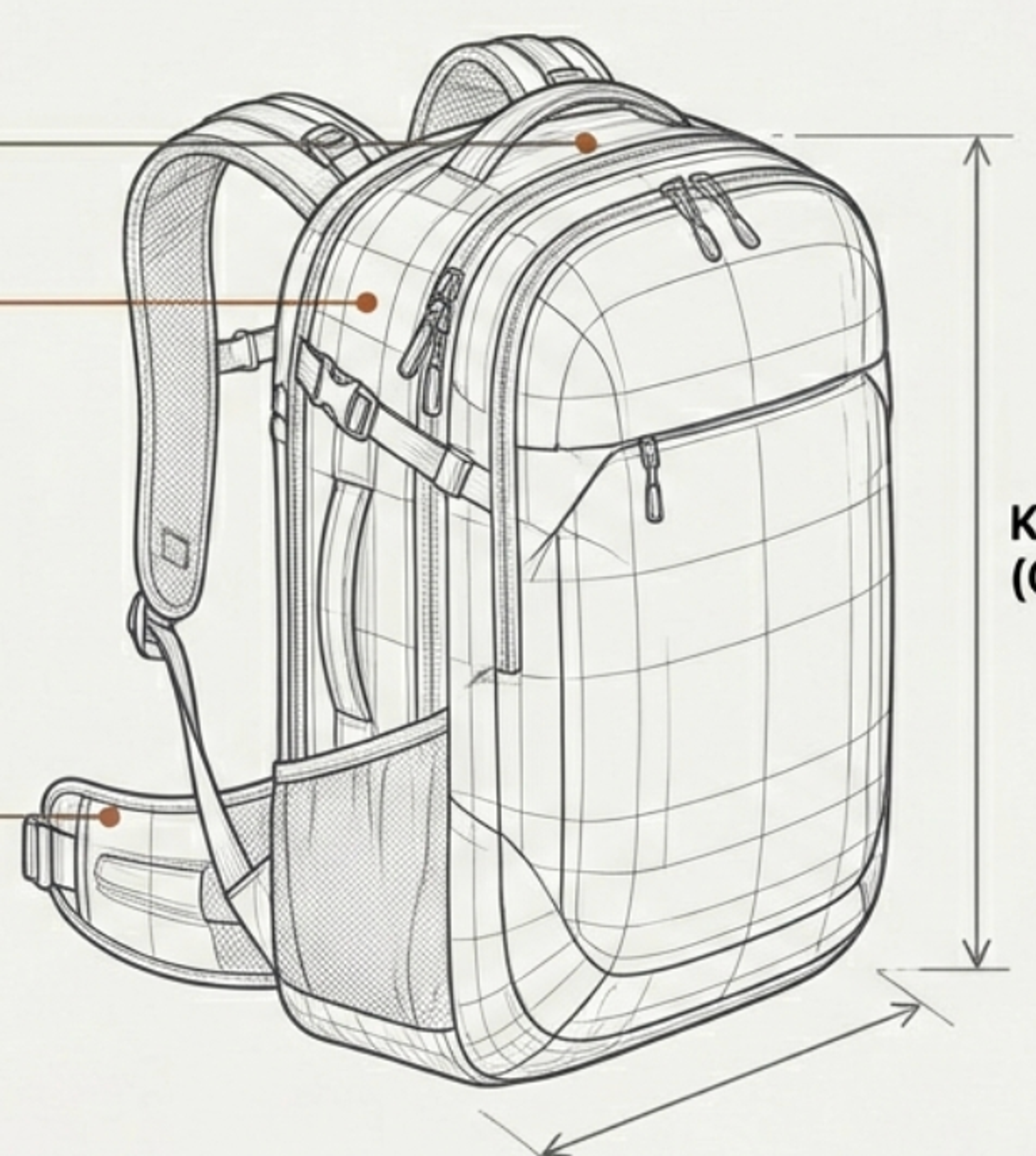
1. Introduction: The Art of Traveling Light
The philosophy of "one-bag travel" is more than a packing strategy; it is a commitment to mobility and self-reliance. By restricting your gear to a single backpack under 40–50 liters, you bypass the logistical hurdles of the modern traveler: checked-baggage fees, wait times at luggage carousels, and the physical burden of heavy suitcases. Minimalist travel optimizes your transit between hostels, trains, and city streets, allowing you to focus on the experience rather than the equipment. For the first-time solo traveler, this approach reduces stress and provides the flexibility to change plans on a whim.
2. Phase 1: The Pre-Trip Strategy
Technical preparation is the difference between a successful trip and a grueling one.
- Buy Your Backpack Last: This is the golden rule of technical packing. Never buy a bag first and try to fill it. Instead, gather all your intended gear and choose a backpack that fits the volume of those items.
- Torso Measurement: To ensure ergonomic weight distribution, you must know your torso length. Backpacks are not one-size-fits-all; a proper fit ensures the hip belt carries the load rather than your shoulders.
- The "Lay It All Out" Method: Spread every item on a flat surface to identify redundancies. Group items by category and color. Seeing everything at once makes it easier to spot "just in case" items that should be removed.
- Ruthless Culling: Apply the "cut it in half" rule. Review your layout and remove items one by one until only absolute essentials remain.
- The Practice Run: Live out of your packed bag for one week to one month before departure. If you don’t use an item during this trial, it does not belong in your pack.
3. Mastering the Pack: Organization and Weight Distribution
- The Packing Hierarchy: Place the heaviest items—such as a laptop or heavy shoes—closest to the back panel and centered. This maintains your center of gravity and prevents the pack from pulling you backward. Store high-frequency items (passport, phone, snacks) in quick-access pockets or a dedicated sling/fanny pack.
- Packing Cubes & Compression: Use lightweight, durable cubes (such as those from Peak Design or Osprey) to categorize gear. Small cubes for socks and underwear; medium for tops; large for bulky items. Compression zippers are essential for reducing the volume of items like hoodies or sweaters.
- Rolling vs. Folding: Always use the "rolling" technique. It saves significantly more space than folding and reduces wrinkles, allowing you to "Tetris" your clothes into cubes efficiently.
4. The Backpacker’s Wardrobe: Materials and Versatility
- Fabric Choices:
- Merino Wool: The gold standard for travelers. It is antimicrobial, odor-resistant, and quick-drying. You can wear a high-quality Merino shirt for weeks without it smelling.
- Synthetic/Athletic Materials: A budget-friendly alternative that is wrinkle-resistant and lightweight.
- Bamboo: An eco-friendly option with many of the same anti-odor properties as Merino.
- The Capsule Wardrobe: Choose neutral colors (black, tan, navy) that allow every top to match every bottom. Avoid white shoes; they scuff easily and look unprofessional quickly in rugged environments.
- Layering System: Pack a base layer (moisture-wicking), a mid-layer (hoodie or quarter-zip), an insulating layer (a compressible down jacket like the Decathlon MT-100), and a rain shell.
- Laundry Management: Carry a dedicated laundry bag to separate dirty clothes from clean ones. Use detergent sheets and a universal sink stopper to perform free laundry in your hostel sink.
5. Hygiene and Health in a Backpack
- Solids vs. Liquids: Transition to solid shampoo, conditioner, and soap bars. They bypass TSA liquid limits, won't leak in your bag, and are highly concentrated. Dr. Bronner’s pure Castile soap is a versatile all-in-one alternative for skin, hair, and laundry.
- Freshness Hacks: Keep your bag smelling clean with wooden cedar chips—which also act as a natural deterrent for bugs that eat wool—or dryer sheets.
- Health Essentials: Your first aid kit should include moleskin for blisters, band-aids, allergy pills, vitamin C, and electrolytes (such as Element). A microfiber towel is mandatory; it is lightweight, quick-drying, and avoids hostel towel rental fees. Consider a Wilderness First Aid course to ensure you know how to use your kit.
6. Tech and Logistics: Staying Connected and Safe
- Power and Connectivity: Carry a slim, high-capacity power bank (ideally 10,000 mAh carbon-fiber, like the Nitecore NB10K). Download offline maps (Google Maps or Maps.me) before arrival.
- Multi-Functional Tech: Use a 3-in-1 charging cable or a small port adapter. A "buff" can serve as a scarf, beanie, or sleep mask.
- Solo Safety Kit:
- Vision: Use the "two is one, one is none" rule—always carry a spare pair of prescription glasses.
- Hardware: Carry a padlock for hostel lockers and a "Hero Clip" (swivel carabiner) to keep your bag off dirty floors.
- Emergency: A tactical flashlight (like the Nitecore P20) and a satellite communicator (like Zolio) are essential for remote areas.
- Documentation: Scan digital copies of your passport and insurance; store them in the cloud and share the link with family.
7. Financial and Transportation Wisdom
- The "Book Direct" Rule: Research hostels on sites like Hostelworld, but always book directly on the hostel’s own website. This often saves money and secures perks like free breakfast.
- Budgeting for Solo Travel: Be aware of the "Single Supplement" fee—a premium charged by some tours or hotels for solo occupants.
- Banking: Use travel credit cards with no foreign transaction fees (e.g., Chase Sapphire). When using an ATM, always decline the machine's conversion rate to ensure your home bank handles the exchange at a better rate.
- Transit: Use the Omio app to compare trains, buses, and flights. Flixbus is often the most economical choice for short-haul trips. For flights, wear your heaviest clothes and boots to meet strict carry-on weight limits.
8. Solo Travel Mindset: Trusting Your Gut
Solo travel is a catalyst for growth. If you are a beginner, start in a region that speaks your native language to build confidence. Maintain safety using the "one earbud" rule: listen to GPS directions through one wireless earbud (like Jaybird Vistas) so you can navigate without looking like a distracted target. Respect your destination by adhering to "Leave No Trace" principles. Most importantly, if a situation feels wrong, trust your intuition and leave immediately, regardless of the cost.
9. Summary of Key Takeaways
Do's
Don'ts
Buy your backpack last after gathering gear.
Don't buy a bag without measuring your torso length.
Book hostels directly on their websites for perks.
Don't accept the ATM's offered conversion rate.
Use detergent sheets and a sink stopper for laundry.
Don't pack "just in case" items or white shoes.
Carry a spare pair of prescription glasses.
Don't check a bag if you can fit it in a 40L pack.
Use a 10,000 mAh power bank and offline maps.
Don't forget a padlock for hostel security.
10. Resource List: Video References
- "10 Minimalist Packing Tips For Your Next Trip & How To Pack Better For Travel" - Pack Hacker ([Link Placeholder])
- "11 Minimalist Packing Tips For Travel" - Pack Hacker ([Link Placeholder])
- "50 Tips Every Beginner Backpacker Needs To Know!" - Backcountry Exposure ([Link Placeholder])
- "8 Must-Have Travel Essentials | What's In My Travel Bag" - Ron Kwok ([Link Placeholder])
- "Backpacking Europe | Minimalist Packing Guide" - Noah Anderson ([Link Placeholder])
- "How to Pack for an Endless Backpacking Trip Around the World | Travel More Now" - Alexander Travelbum II ([Link Placeholder])
- "How to travel with just one bag (& zero sacrifices)" - Maurice Moves ([Link Placeholder])
- "Intro to Solo Travel: Tips for Your First Time Traveling Alone" - Pack Hacker ([Link Placeholder])
- "ULTIMATE GUIDE TO BACKPACKING AROUND EUROPE | what it costs, budget travel tips, how to find hostels" - Bailey Dean ([Link Placeholder])