The Athenian Palimpsest: 7 Things the Guidebooks Don’t Tell You About Modern Athens
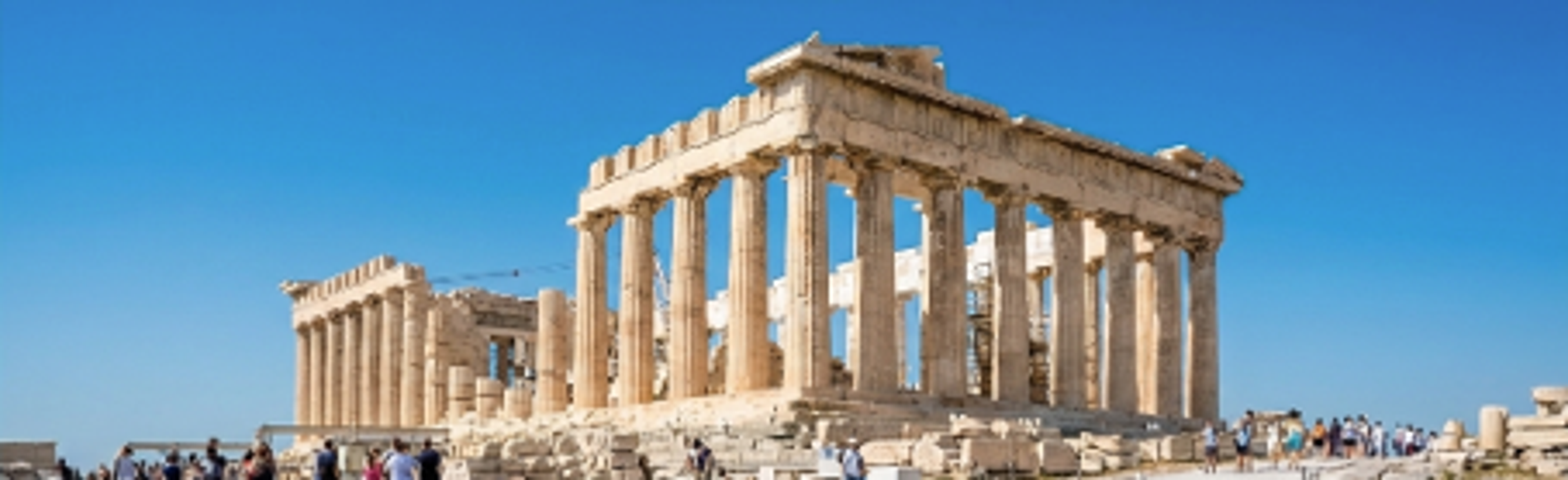
1. The City of Constant Presence
Athens is a rare anomaly in the modern world: a city where 2,500 years of continuous life is not just preserved in museums, but lived on every street corner. While many historic capitals feel like open-air museums frozen in time, Athens is an anachronistic palimpsest. It is a place of jarring juxtapositions, where the ancient world’s stony silence meets the modern city’s cacophony—the scent of jasmine and Ozo in Plaka competing with the exhaust fumes and grit of a metropolis that never sleeps.
A defining characteristic of this urban experience is the "Acropolis Effect." In the city center, the ancient citadel is the undisputed center of the universe. Due to strict building regulations, the Parthenon is visible from nearly everywhere, serving as a constant geographic and historical compass. Whether you are navigating the graffiti-covered streets of Psiri or the high-end boutiques of Kolonaki, a quick glance upward reveals the marble temple looming overhead, watching over the concrete jungle below.
2. The 20-Meter Rule: A Law for the Gods
The reason the Acropolis remains the dominant feature of the Athenian skyline is a strict architectural mandate known as the 20-meter rule. To ensure the gods’ temple remains unencumbered, buildings in the central districts are generally forbidden from exceeding 18 to 20 meters in height.
This creates a remarkably "human-scale" city that feels more grounded than a skyscraper-filled metropolis. However, this rule also preserves the city's unique "grit." The view from above reveals a sea of flat, grey roofs punctuated by solar panels and white canvas "tents" (awnings) on every balcony. This architectural uniformity—a mix of modern utility and ancient reverence—ensures that the sky is never fractured by glass and steel, keeping the city’s historical heart at the forefront of the modern experience.
3. The Olive Tree’s Victory: Why It’s Not Called ‘Poseidonia’
The city’s name is the result of a mythological vibe-shift. According to legend, Athena (Goddess of Wisdom) and Poseidon (God of the Sea) competed for the city's patronage. Poseidon struck the earth with his trident, bringing forth a spring of water, but it was salty and useless for a thirsty population. Athena, in turn, planted an olive tree—a gift of nutrition, medicine, and trade.
The people chose Athena’s wisdom over Poseidon’s raw power. The olive tree became the foundation of the region's prosperity, a legacy of "liquid gold" that defined Mediterranean health and trade for millennia.
Olive oil was once more valuable than gold.
This victory solidified the city’s identity as Athens, a place where sustainable wisdom was valued above the volatile temper of the sea.
4. The "Island" Hiding in the Concrete Jungle: Anafiyotika
Tucked away on the northern slopes of the Acropolis is Anafiyotika—not just a neighborhood, but a glitch in the urban matrix. Built in the 1800s by stonemasons from the island of Anafi, this enclave is a Cycladic dream of white-washed stone, bright blue doors, and narrow, winding alleys where sleeping cats and vibrant flowers dominate.
Walking through Anafiyotika is a surreal escape. One moment you are battling the tourist throngs of Monastiraki, and the next, you are in a silent, peaceful sanctuary that feels 300 miles away in the middle of the Aegean. It stands as a living monument to the migrant workers who brought their island soul to the heart of the concrete capital.
5. The Originality Gap: The Museum Controversy
A surprising reality for visitors is that much of the "history" on the hill is a sophisticated reconstruction. While the Acropolis Museum is a world-class facility—allowing you to walk over ruins visible through glass floors—it highlights a poignant "originality gap." Many of the most famous sculptures, including significant portions of the Parthenon friezes, are high-quality replicas.
The originals, famously known as the Elgin Marbles, reside in the British Museum in London. Even the iconic Caryatids—the maiden-shaped columns—are a mix; five of the originals are preserved behind glass in the local museum to protect them from the elements, while replicas stand on the actual site. Standing in the museum, looking at the empty spaces where the marbles should be, offers a profound reflection on global heritage and the fragments of a displaced history.
6. Breakfast is a Ritual: The Bugatsa & Freddo Culture
While the museums hold the city’s static history, the cafes hold its living pulse. To understand modern Athenian energy, you must join the ritual of the Freddo. Whether it’s an Espresso or Cappuccino, these cold, foamy coffees are the city's lifeblood, typically priced around €3.70 to €4.00 for a double serving.
The Athenian food experience is defined by three essential pillars:
- Bugatsa: This traditional breakfast pastry, often referred to as Galeko boreko in the fırıns of Psiri, is a direct relative of the Turkish Laz böreği. It can be savory (cheese/meat) or sweet (custard and cinnamon).
- Suvlaki/Giros: The quintessential street food—grilled chicken or pork served in a pita with tomato, onion, and yogurt sauce.
- Dakoz: Often called the "better" Greek salad, this Cretan dish features barley rusks topped with chopped tomatoes, mizithra cheese, and a heavy drenching of olive oil.
7. Familiarity in the Foreign: The Aegean Connection
For those who have walked the Kordon in Izmir or the streets of Ayvalık, Athens offers a striking sense of déjà vu. The architectural cues—the lack of pitched roofs, the solar panels, and the "Rum" (Greek-Ottoman) influence on building styles with their pastel tones and shutters—reveal a shared history.
Despite different languages and religions, the "human energy," the spirit of hospitality, and even the "stinky but authentic" vibe of the Varvakio meat market suggest that Athens and its Turkish Aegean neighbors are two sides of the same coin. From the protest culture in Syntagma to the vibrant nightlife, the shared Aegean spirit creates a comforting familiarity in what should be a foreign land.
Conclusion: The Art of Being on the Road
While the grand monuments of antiquity draw you to Athens, the energy of the modern streets and the enduring Aegean spirit are what make you stay. The city teaches us that life is found not just in the ruins of the past, but in the constant movement of the present.
The important thing is being on the road... you will find life.
Ultimately, Athens poses a question to every traveler: Do you seek a destination for its monuments, or for that rare, comforting feeling of finding familiarity in the unknown?