Beyond the Umbrella: 7 Surprising Truths About Navigating London Like a Pro
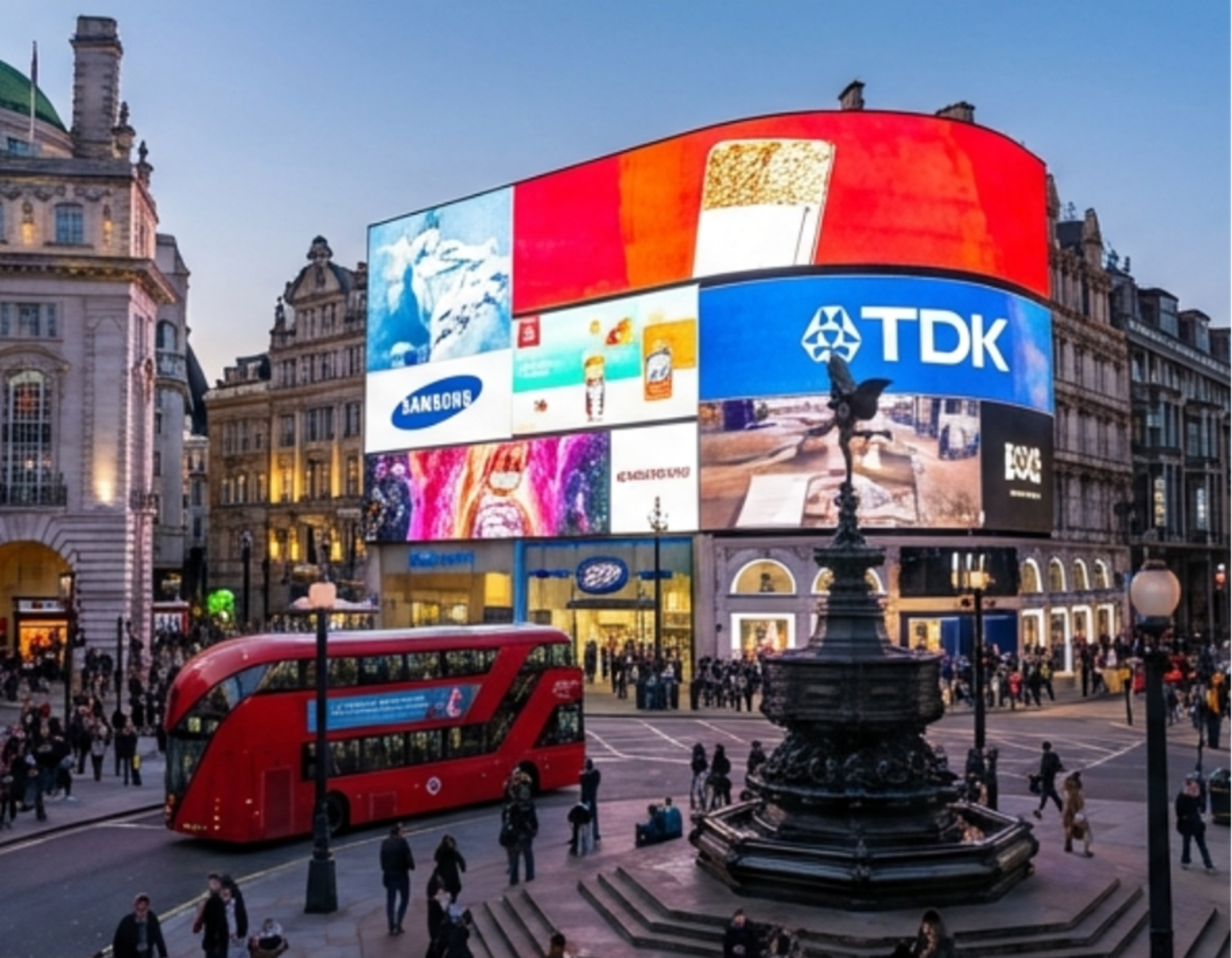
1. The "Rainy City" Reimagined
London’s grey-muffled reputation is perhaps its most persistent myth. To the uninitiated, the city is a landscape of perpetual drizzle, an expensive obstacle course of tradition and umbrellas. However, the data tells a different story: New York City actually receives significantly more annual rainfall than "The Big Smoke." For the traveler looking toward 2025 and 2026, navigating this metropolis requires shedding these tired clichés. London is a "history lasagna," a dense thicket of experiences where Roman foundations sit beneath the glass-and-steel glare of The Shard and The Gherkin. To see the city like a seasoned insider, you must look past the postcards and master the counter-intuitive systems that keep this 2,000-year-old engine humming.
2. You’re Calling the Most Famous Landmark by the Wrong Name
The neo-Gothic silhouette at the North End of the Palace of Westminster is the world’s most recognizable clock, yet almost every visitor misidentifies it. To a local, "Big Ben" is not the tower, nor even the four-faced clock. It is the nickname for the Great Bell—a 13-ton behemoth—hanging within. The structure itself was officially renamed the Elizabeth Tower in 2012 to honor the Diamond Jubilee.
Correcting a fellow traveler on this point is a rite of passage, but the real insider knowledge lies in the sound. If you time your stroll for the top of the hour, the deep chime of that 13-ton bell is a visceral reminder of the city's weight and history.
"The commonly known nickname Big Ben is not actually referring to the clock tower but to the enormous 13-ton bell house inside."
3. The Oyster Card is Becoming a Travel Relic
For decades, the blue plastic Oyster card was the essential London accessory. Today, it is rapidly becoming a museum piece. London is now a truly "cashless city," and for most 2025 travelers, "tapping in" with a contactless credit card or Apple Pay is the superior move. The fares and daily caps are identical to the Oyster system, eliminating the need to wait in line at a kiosk.
However, a professional warning: international travelers must be wary of foreign transaction fees. If your home bank charges a fee for every tap, those "small" tube fares will balloon. In this case, either use a travel-specific card like Wise to hold Sterling or stick to a physical Oyster card to avoid per-transaction penalties.
4. The Best Views Don't Move (and One Requires a Fee)
The London Eye is the city's most-visited attraction, but paying £35 to sit in a crowded, slow-moving pod for 30 minutes is rarely the "pro" choice. For a superior perspective, look to the Sky Garden. It offers a lush, indoor jungle with 360-degree views for free—provided you are quick. Tickets are released on Mondays for the following week and vanish instantly.
The Insider Hack: If you miss the free window, book a "breakfast ticket" for approximately £8.50. This grants you entry before the general public and includes a hot drink and pastry, essentially buying you a private viewing of the skyline.
Alternatively, do not ignore St. Paul’s Cathedral. While it is free to peek inside the entrance, the real experience is the climb to the rooftop. Yes, there is a fee to access the main cathedral and the heights, but the vista from the dome—overlooking the "History Lasagna" of the City—is infinitely more rewarding than a ride on a Ferris wheel.
5. Pub Culture is a "Self-Service" Social Experiment
The London pub is a community living room, but its etiquette can baffle the newcomer. There is no table service here; you find a seat, note your table number, and head to the bar to order. In modern chains, you’ll find QR codes on the tables, allowing you to bypass the queue entirely.
Crucially, the social calendar has shifted. For 2025/2026, Thursday is the new Friday. Because so many londoners now work remotely on Fridays, Thursday nights are the peak of pub energy and nightlife. When ordering, remember that "pints" (20 fluid ounces) are the standard, though a "half-pint" is perfectly acceptable. Also, check your bill: most central establishments now add a 12.5% "discretionary service charge." If it’s there, you’ve already tipped.
Speak Like a Londoner: To avoid looking like a tourist, master the local geography. The river is the "Tems" (Thames), the square is "Lester" (Leicester), the meridian is at "Gren-ich" (Greenwich), and the southern district is "Suth-ick" (Southwark).
"Going to a pub in London is an essential activity... these are really cool cozy spaces that also do food and are just a great space for socializing."
6. Don’t Just Look Both Ways—Look the Right Way
Navigating London on foot is a high-stakes game. Because the UK drives on the left, visitors from right-hand-drive countries instinctively look the wrong way when stepping off the curb. While the city paints "Look Left" and "Look Right" markers on the pavement at major crossings, the real 2025 danger is the "snatch-and-grab."
Phone snatching by thieves on bikes or scooters is a rising issue. Keep your phone stashed while walking, and never leave it on a pub table. On the Underground, follow the one unshakeable law of the land: Stand on the right. The left side of the escalator is a sacred passing lane for londoners in a hurry. Blocking it is the fastest way to end the famous British politeness.
7. The Authentic "Harry Potter" Aesthetic is Free
While the Studio Tour is a marvel, you can find the soul of Diagon Alley in the heart of the City without a £50 ticket. Leadenhall Market, with its 14th-century origins and breathtaking Victorian roof, was the actual filming location for the Leaky Cauldron. It is a stunning example of how London preserves its layers. For a different "un-London" vibe, head to Little Venice near Warwick Avenue to see the colorful narrowboats and quiet canals that feel worlds away from the West End.
The Pro Tip: For a truly exclusive experience, book the Ceremony of the Keys at the Tower of London. It is a 700-year-old ritual where the Chief Warder locks the gates. It costs a mere £5, but tickets must be booked at noon on the first working day of the month for the following month.
Conclusion: A City of Layers
London is a city that rewards the walker and the curious. It is a place where you can touch a 2,000-year-old Roman wall in the morning and sip tea in a glass skyscraper by afternoon. By avoiding the high-priced traps like the Heathrow Express—which is often slower than the purple-hued efficiency of the new Elizabeth Line—and mastering local etiquette, you move beyond being a spectator. The "real" London is buried in its streets, waiting for those ready to look beneath the surface. Are you ready to see the history hidden in the lasagna?
1. The "Rainy City" Reimagined
London’s grey-muffled reputation is perhaps its most persistent myth. To the uninitiated, the city is a landscape of perpetual drizzle, an expensive obstacle course of tradition and umbrellas. However, the data tells a different story: New York City actually receives significantly more annual rainfall than "The Big Smoke." For the traveler looking toward 2025 and 2026, navigating this metropolis requires shedding these tired clichés. London is a "history lasagna," a dense thicket of experiences where Roman foundations sit beneath the glass-and-steel glare of The Shard and The Gherkin. To see the city like a seasoned insider, you must look past the postcards and master the counter-intuitive systems that keep this 2,000-year-old engine humming.
2. You’re Calling the Most Famous Landmark by the Wrong Name
The neo-Gothic silhouette at the North End of the Palace of Westminster is the world’s most recognizable clock, yet almost every visitor misidentifies it. To a local, "Big Ben" is not the tower, nor even the four-faced clock. It is the nickname for the Great Bell—a 13-ton behemoth—hanging within. The structure itself was officially renamed the Elizabeth Tower in 2012 to honor the Diamond Jubilee.
Correcting a fellow traveler on this point is a rite of passage, but the real insider knowledge lies in the sound. If you time your stroll for the top of the hour, the deep chime of that 13-ton bell is a visceral reminder of the city's weight and history.
"The commonly known nickname Big Ben is not actually referring to the clock tower but to the enormous 13-ton bell house inside."
3. The Oyster Card is Becoming a Travel Relic
For decades, the blue plastic Oyster card was the essential London accessory. Today, it is rapidly becoming a museum piece. London is now a truly "cashless city," and for most 2025 travelers, "tapping in" with a contactless credit card or Apple Pay is the superior move. The fares and daily caps are identical to the Oyster system, eliminating the need to wait in line at a kiosk.
However, a professional warning: international travelers must be wary of foreign transaction fees. If your home bank charges a fee for every tap, those "small" tube fares will balloon. In this case, either use a travel-specific card like Wise to hold Sterling or stick to a physical Oyster card to avoid per-transaction penalties.
4. The Best Views Don't Move (and One Requires a Fee)
The London Eye is the city's most-visited attraction, but paying £35 to sit in a crowded, slow-moving pod for 30 minutes is rarely the "pro" choice. For a superior perspective, look to the Sky Garden. It offers a lush, indoor jungle with 360-degree views for free—provided you are quick. Tickets are released on Mondays for the following week and vanish instantly.
The Insider Hack: If you miss the free window, book a "breakfast ticket" for approximately £8.50. This grants you entry before the general public and includes a hot drink and pastry, essentially buying you a private viewing of the skyline.
Alternatively, do not ignore St. Paul’s Cathedral. While it is free to peek inside the entrance, the real experience is the climb to the rooftop. Yes, there is a fee to access the main cathedral and the heights, but the vista from the dome—overlooking the "History Lasagna" of the City—is infinitely more rewarding than a ride on a Ferris wheel.
5. Pub Culture is a "Self-Service" Social Experiment
The London pub is a community living room, but its etiquette can baffle the newcomer. There is no table service here; you find a seat, note your table number, and head to the bar to order. In modern chains, you’ll find QR codes on the tables, allowing you to bypass the queue entirely.
Crucially, the social calendar has shifted. For 2025/2026, Thursday is the new Friday. Because so many londoners now work remotely on Fridays, Thursday nights are the peak of pub energy and nightlife. When ordering, remember that "pints" (20 fluid ounces) are the standard, though a "half-pint" is perfectly acceptable. Also, check your bill: most central establishments now add a 12.5% "discretionary service charge." If it’s there, you’ve already tipped.
Speak Like a Londoner: To avoid looking like a tourist, master the local geography. The river is the "Tems" (Thames), the square is "Lester" (Leicester), the meridian is at "Gren-ich" (Greenwich), and the southern district is "Suth-ick" (Southwark).
"Going to a pub in London is an essential activity... these are really cool cozy spaces that also do food and are just a great space for socializing."
6. Don’t Just Look Both Ways—Look the Right Way
Navigating London on foot is a high-stakes game. Because the UK drives on the left, visitors from right-hand-drive countries instinctively look the wrong way when stepping off the curb. While the city paints "Look Left" and "Look Right" markers on the pavement at major crossings, the real 2025 danger is the "snatch-and-grab."
Phone snatching by thieves on bikes or scooters is a rising issue. Keep your phone stashed while walking, and never leave it on a pub table. On the Underground, follow the one unshakeable law of the land: Stand on the right. The left side of the escalator is a sacred passing lane for londoners in a hurry. Blocking it is the fastest way to end the famous British politeness.
7. The Authentic "Harry Potter" Aesthetic is Free
While the Studio Tour is a marvel, you can find the soul of Diagon Alley in the heart of the City without a £50 ticket. Leadenhall Market, with its 14th-century origins and breathtaking Victorian roof, was the actual filming location for the Leaky Cauldron. It is a stunning example of how London preserves its layers. For a different "un-London" vibe, head to Little Venice near Warwick Avenue to see the colorful narrowboats and quiet canals that feel worlds away from the West End.
The Pro Tip: For a truly exclusive experience, book the Ceremony of the Keys at the Tower of London. It is a 700-year-old ritual where the Chief Warder locks the gates. It costs a mere £5, but tickets must be booked at noon on the first working day of the month for the following month.
Conclusion: A City of Layers
London is a city that rewards the walker and the curious. It is a place where you can touch a 2,000-year-old Roman wall in the morning and sip tea in a glass skyscraper by afternoon. By avoiding the high-priced traps like the Heathrow Express—which is often slower than the purple-hued efficiency of the new Elizabeth Line—and mastering local etiquette, you move beyond being a spectator. The "real" London is buried in its streets, waiting for those ready to look beneath the surface. Are you ready to see the history hidden in the lasagna?